How much does a new roof cost in Chelmsford, MA?
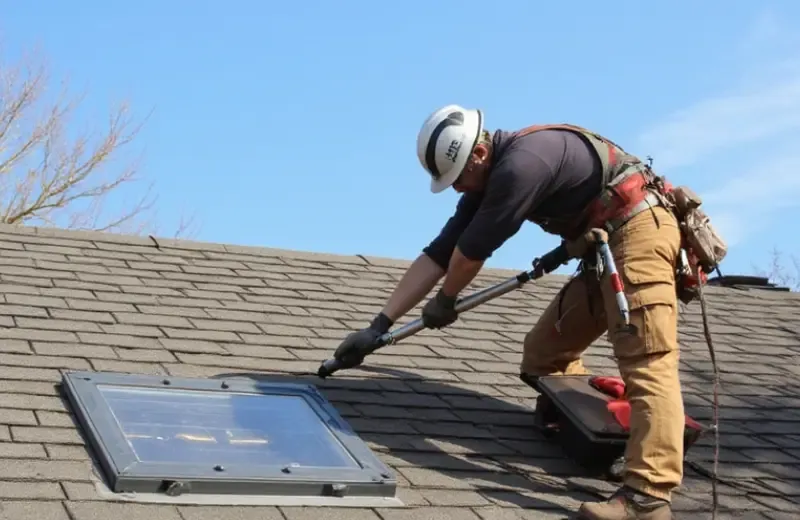
Most asphalt shingle replacements on Chelmsford Capes, ranches and split-levels fall somewhere between $14,000 and $24,000. Larger or more complex colonials often run $24,000 to $42,000 or more. The biggest variables are roof size, how many layers have to come off, how much rotted decking turns up, and how many valleys, skylights and chimneys need flashing. Metal, slate and cedar cost significantly more. Our proposals itemize the materials and list a per-sheet decking price, so you know what to expect before we start. Financing is available.
How long does a roof replacement take?
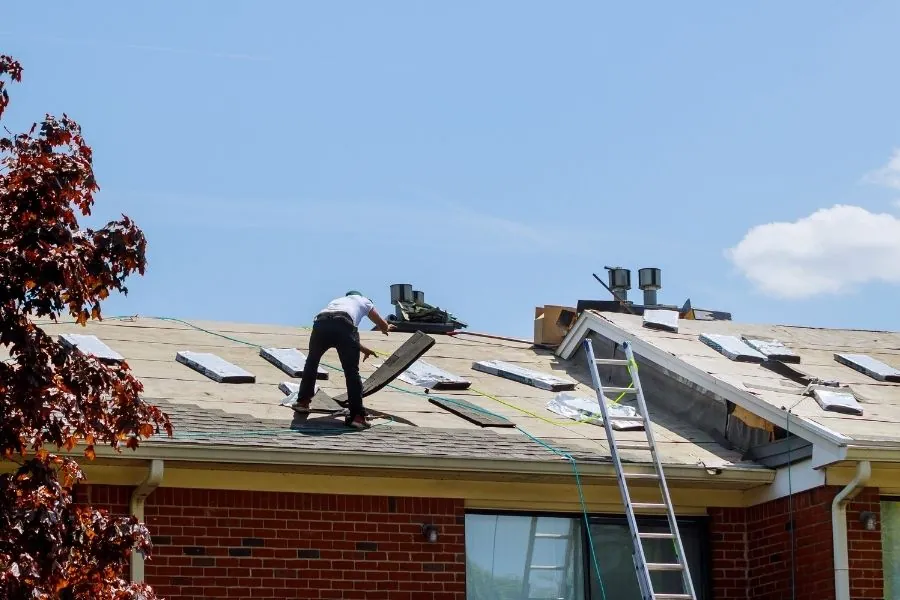
Most single-family homes take one to three days on site. A straightforward ranch can often be finished in a day. A cut-up colonial with skylights, or a home with heavy deck repair, takes longer, and so do flat roofs and specialty materials. Before work starts, allow time for the permit and material delivery. During the spring and fall rush in the Merrimack Valley, booking can take a few weeks, so planning ahead helps. Weather delays happen, and we never leave a roof open overnight.
Do I need a permit to replace my roof in Massachusetts?
Yes. Re-roofing in Massachusetts generally requires a building permit from your town's building department under the State Building Code (780 CMR). The inspector may check the decking, the ice barrier and the ventilation. Code requires an ice barrier from the eave edge to at least 24 inches inside the exterior wall line, and it caps asphalt roofs at two layers. We handle the permit for you. If you live in a historic district, such as Chelmsford Center, Concord or Lexington, or in an HOA or condo community, separate approval of materials or color may also be needed.
What causes ice dams, and how can I prevent them?
Ice dams form when heat escaping from your living space warms the roof deck. Snow on the upper roof melts, then refreezes at the cold eaves, and the trapped water backs up under the shingles. Prevention starts in the attic: air-sealing, adequate insulation, and balanced soffit-to-ridge ventilation. Mass Save offers incentives for attic insulation and air sealing. On the roof itself, ice and water shield along the eaves and valleys stops the backup from leaking inside. Heat cables can help on problem eaves. Raking snow off the lower few feet of the roof safely also reduces the risk.
When should I repair my roof, and when should I replace it?
Repair makes sense when the roof is under about 15 years old and the damage is limited to a few shingles, a pipe boot, or one flashing area. Consider replacing it if your shingles are 20 years old or more, curling or losing granules, if you keep paying for repairs, or if leaks show up in more than one area. Act right away on active leaks, sagging spots, missing sections after a storm, or interior stains during a thaw. Waiting through another New England winter usually turns a repair into a replacement.
Can you replace a roof in the winter?
Yes, with the right practices. We tear off only as much as we can dry-in the same day, and we hand-seal shingle tabs, since seal strips don't bond well in the cold. We keep ice and water shield and underlayment protected, and we watch the forecast closely. A winter replacement can make sense when a roof is actively leaking or failing and waiting until spring would risk more interior damage. It can also mean faster scheduling than the spring rush.
Will my homeowners insurance cover storm or ice dam damage?
Many policies cover sudden damage from wind, falling trees and the interior water damage caused by ice dams. Wear and tear and old age generally aren't covered. Coverage depends on your policy, so call your insurer. We document the damage with photos and written descriptions to support your claim, provide emergency tarping to prevent further damage, and lay out the repair scope clearly. Be cautious with out-of-state storm crews that show up after nor'easters, and confirm that any contractor you hire holds Massachusetts CSL and HIC registration.
Do you work on flat roofs, slate or historic homes?
Yes. We install and repair TPO and EPDM flat roofs, which are common on Lowell and Lawrence triple-deckers and on mid-century modern homes in Lexington and Concord. We also work with slate, cedar shake, tile and copper on antique colonials and historic homes. For homes in local historic districts, we can help you prepare material and color information for commission review before any visible work starts. If an older home has asbestos-cement shingles, a licensed abatement contractor has to remove them first under MassDEP rules.